How Can Automated Corporate Governance Workflows Save Time in Law Firms?
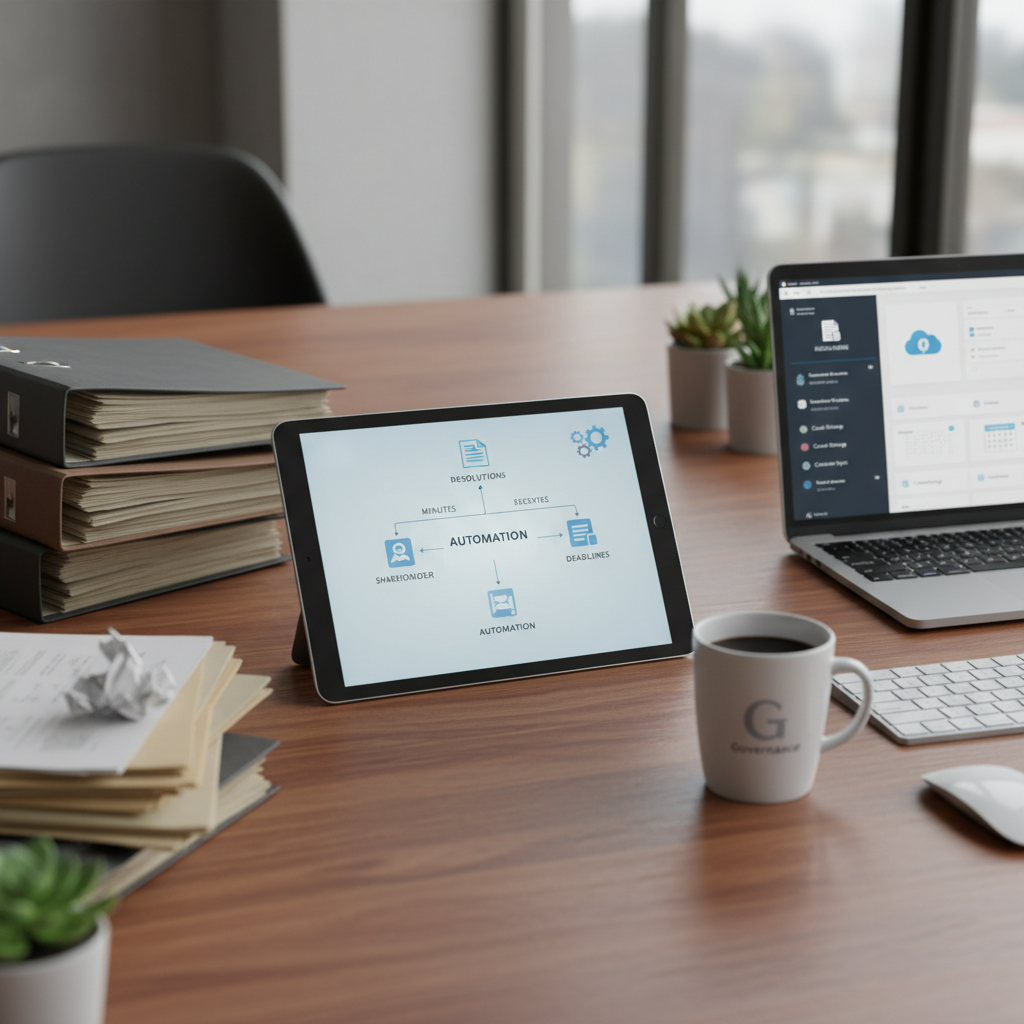
Many legal professionals wonder how automation can help with daily tasks. Specifically, how can automating corporate governance workflows reduce the time spent on routine compliance and document management? The answer lies in simple tools that handle repetitive tasks, freeing up your time for more complex legal work.
Corporate governance involves ongoing processes like maintaining records, approving resolutions, and ensuring compliance with regulations. Doing these manually can be time-consuming and prone to errors. Automating these workflows offers a practical way to stay organized and reduce mistakes.
What Are Corporate Governance Workflows?
These workflows include tasks such as preparing meeting agendas, recording minutes, updating shareholder records, and tracking compliance deadlines. Traditionally, these are done with spreadsheets, emails, and paper files. Automation helps streamline these steps, making them faster and more accurate.
Practical Automation Tools for Corporate Governance
- Document Automation Software: Tools like HotDocs or ContractExpress can generate standard documents such as resolutions, consents, and notices automatically. This reduces manual typing and ensures consistency.
- Workflow Automation Platforms: Platforms like Clio Grow or Lawcus connect tasks, reminders, and approvals. They can automatically send notifications for upcoming deadlines or missing signatures.
- Shared Cloud Storage: Using tools like Dropbox or Google Drive helps keep governance documents organized and accessible. Automated folder structures and naming conventions make retrieval quick.
- Calendar and Reminder Tools: Syncing deadlines with Outlook or Google Calendar ensures important dates are never missed. Automated reminders can be set for annual filings or shareholder meetings.
How Automation Saves Time and Reduces Errors
Automating routine governance tasks means less manual data entry and fewer chances for mistakes. For example, generating a shareholder resolution with a document automation tool takes seconds, not minutes. Automated reminders prevent missed deadlines, avoiding penalties or compliance issues.
By connecting these tools, you create a system that updates itself. When a new shareholder is added, the system can automatically update records and notify relevant staff. This reduces the need for double-checking and manual updates.
Getting Started with Automated Corporate Governance Workflows
- Identify repetitive tasks that take up your time, such as document creation or deadline tracking.
- Choose simple tools that connect easily with your existing systems, like Google Workspace or Outlook.
- Set up templates for common documents to generate them quickly when needed.
- Automate reminders for upcoming deadlines or meetings to stay on top of compliance.
- Regularly review your workflows to find new tasks that can be automated.
Implementing these straightforward automation steps can save hours each month. It also reduces the risk of missing important deadlines or making errors in governance documents.
Conclusion
Automated corporate governance workflows are a practical way for law firms to save time and improve accuracy. By using simple tools to handle routine tasks, legal professionals can focus more on advising clients and less on administrative work. Start small, choose user-friendly tools, and see how automation can make your daily work easier and more reliable.