How Can AI Help Predict Billing Disputes in Law Firms?
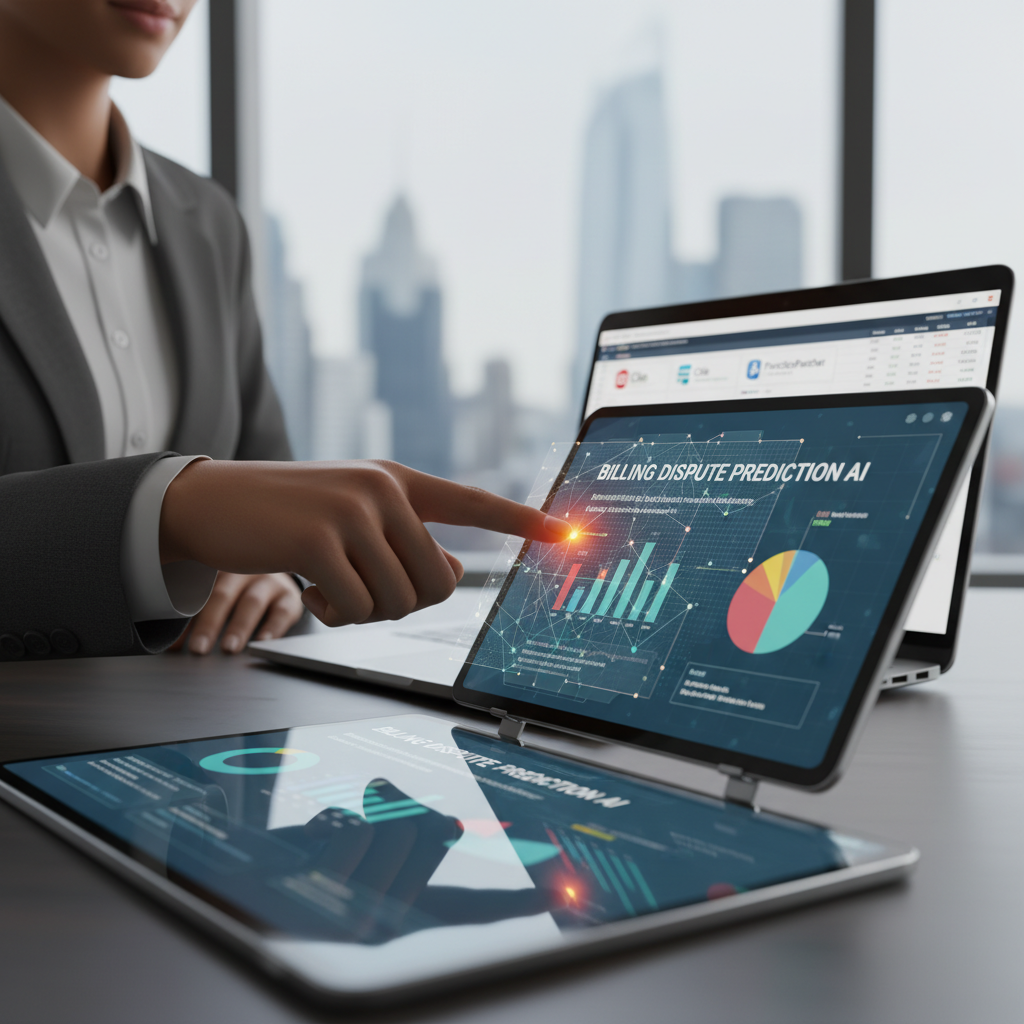
Are you wondering how to reduce billing disputes and save time on billing corrections?
Many lawyers and legal staff face ongoing challenges with billing disputes. Clients often question charges, leading to time-consuming back-and-forths. Using AI to predict potential billing issues can help you catch problems early, saving hours of correction work and improving client relationships.
What Is Billing Dispute Prediction Using AI?
Billing dispute prediction involves using simple AI tools to analyze your billing data and identify cases where disputes are likely to happen. These tools look for patterns, such as unusual billing amounts, inconsistent time entries, or frequent corrections. The goal is to flag these cases before they reach the client, so you can review and address issues proactively.
How Does It Work in Practice?
Most billing dispute prediction tools connect to your existing billing system, like Clio, PracticePanther, or MyCase. They analyze recent invoices and flag cases with a higher risk of dispute. For example, if a bill has many adjustments or unusually high hours, the system highlights it for review.
This process is simple and helps you focus your attention on the cases that need it most. Instead of reviewing every bill, you can prioritize those with a higher chance of dispute, saving time and reducing errors.
Practical Benefits of Using AI for Billing Dispute Prediction
- Time Savings: Quickly identify bills that may cause issues, so you spend less time on corrections and follow-ups.
- Reduced Errors: Catch billing inconsistencies early, decreasing the chance of disputes escalating.
- Better Client Relationships: Address potential issues before sending invoices, leading to fewer disputes and happier clients.
- Easy to Use: Most tools are straightforward and connect directly to your billing software, requiring minimal setup.
Simple Tools to Get Started
Some helpful AI tools for billing dispute prediction include:
- Clio Manage: Offers built-in analytics that can flag unusual billing patterns.
- Lawcus: Connects with your billing data and highlights cases with potential issues.
- Custom Excel or Google Sheets: Using basic formulas and simple scripts, you can create a basic prediction model tailored to your data.
Getting Started with Billing Dispute Prediction
Start by reviewing your recent billing data. Look for patterns like frequent corrections or high hourly rates. Then, choose a simple tool that connects to your billing system. Set up basic rules or alerts to flag high-risk bills.
Review flagged cases regularly. Address issues early by double-checking entries or discussing concerns with clients before sending invoices. Over time, this process becomes quicker and more accurate, saving you hours each month.
Final Tip
Don’t wait for disputes to happen. Use AI to spot potential problems early. This simple step can save your firm time, reduce errors, and improve client satisfaction without adding complexity to your daily work.