How Can AI Automated Email Drafting Save Time for Lawyers?
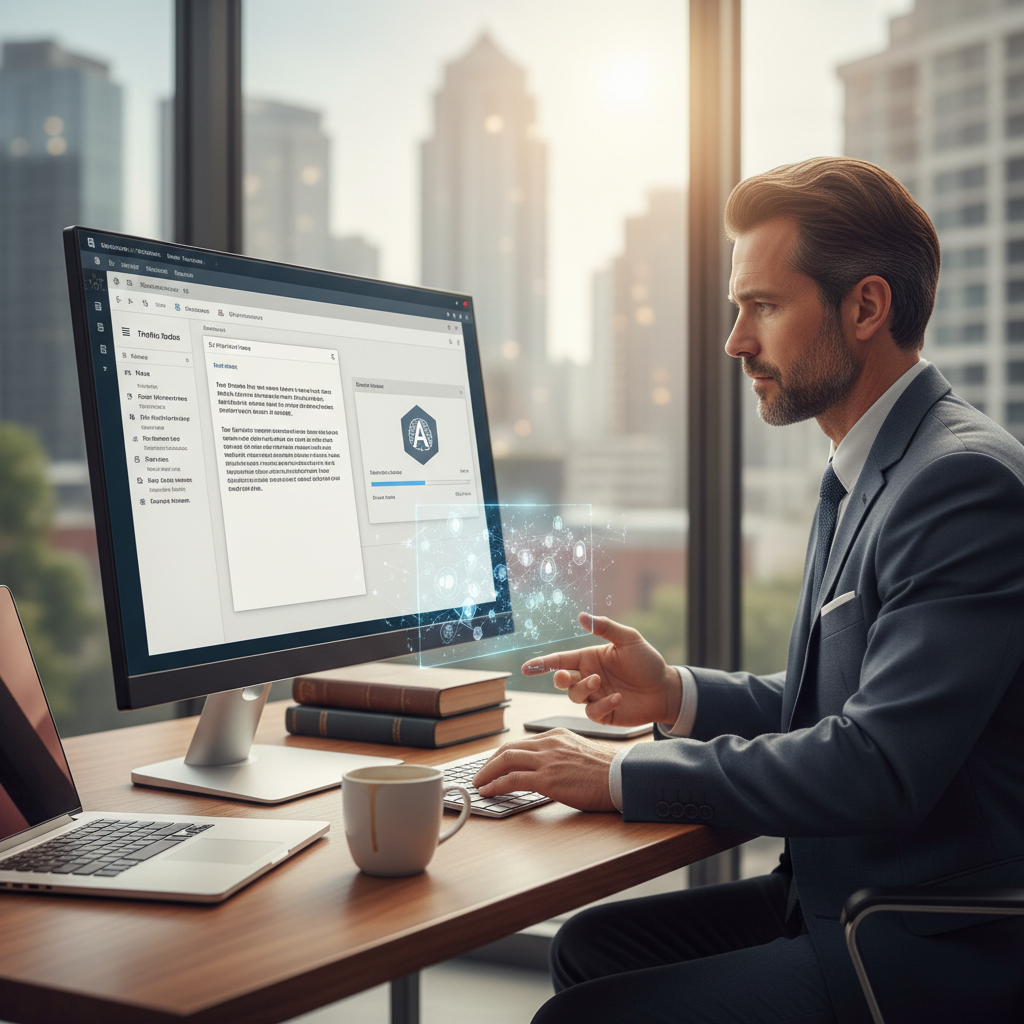
Are you spending too much time drafting routine emails?
Many attorneys find themselves writing similar emails daily: confirming appointments, responding to client inquiries, or sending follow-up messages. These tasks can take up valuable time that could be better spent on more complex work. AI automated email drafting offers a simple way to save time and reduce errors.
What is AI automated email drafting?
AI automated email drafting uses artificial intelligence tools to generate email responses based on your instructions or previous messages. Instead of starting from scratch, you provide a few details, and the system creates a draft for you. This helps you respond faster and ensures consistency in your communication.
How does it help legal professionals?
- Saves time: Quickly generate professional responses without typing every word.
- Reduces errors: Minimize typos and miscommunications common in manual drafting.
- Maintains consistency: Keep your tone and messaging aligned across emails.
- Improves responsiveness: Reply faster to clients and colleagues, enhancing service quality.
Practical tools for automated email drafting
Several helpful tools connect with your email system to automate drafting. For example:
- ChatGPT: Can generate email drafts based on prompts you provide. Use it to create responses to common questions or confirm appointments.
- Grammarly Business: Offers suggestions for clearer, more professional emails, and can help you craft better responses quickly.
- Microsoft Outlook’s Copilot: Assists in drafting, replying, and summarizing emails directly within Outlook.
How to get started with AI email automation
Begin by identifying routine emails you send often. Create templates or prompts for these messages. For example, you might input: “Draft a response confirming the appointment on [date] at [time], and ask if the client needs anything else.”
Test the generated drafts for tone and accuracy. Make small adjustments as needed. Over time, you’ll develop a set of prompts that save you time on common responses.
Tips for effective use
- Keep prompts simple: Clear instructions lead to better drafts.
- Review before sending: Always check the AI-generated email for accuracy and tone.
- Use templates: Save successful prompts for quick reuse.
- Stay compliant: Ensure your automated responses meet client confidentiality and professional standards.
Final thoughts
AI automated email drafting is a straightforward way to save time and reduce mistakes. It requires minimal setup and can be used immediately to handle routine communication. By adopting simple tools and clear prompts, legal professionals can respond faster and focus more on the work that truly needs their experience.